Google Ads for Daycare Centers: Multi-Location Enrollment Playbook
A practical structure for multi-location childcare brands that need enrollment calls, location-level pacing and clean conversion data.
· 9 min read
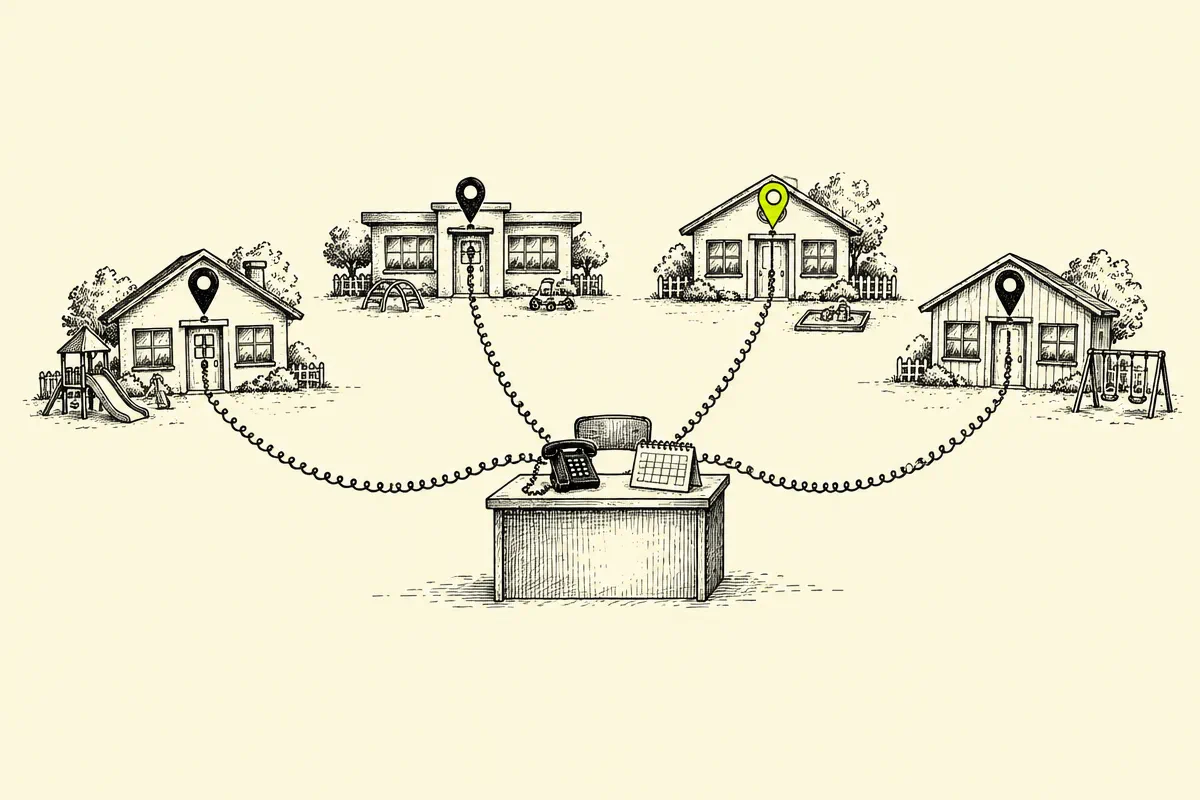
Parents searching for daycare, preschool and early learning centers often call first. A multi-location Google Ads setup that captures those calls, paces each center on its own and feeds real enrollment signals back into bidding gives operators a clear view of which locations earn tours and which need fresh creative.
SalesX ran this playbook for Children's Learning Adventure, a STEAM-based early childhood brand with more than 45 centers. Call tracking, location-level budget scripts and ongoing ad tests lifted ROAS 78%, raised CTR 29% and cut cost per conversion 49%. The same building blocks work for daycare groups, preschool chains and school-age programs that sell tours and enrollments over the phone.
Why daycare search needs a different Google Ads shape
Daycare demand is local and urgent. A parent looking for "daycare near me," "preschool open houses" or "infant care [city]" expects a nearby center, hours that match their commute and a phone number they can tap. National brand messaging alone leaves those parents stranded on a homepage that lists every campus.
Google's geographic targeting lets you aim Search ads at the drive-time radius around each center (Target ads to geographic locations). Pair that with a campaign or ad group per location, and each center keeps its own budget, ads and landing page. That structure matches how operators already think about occupancy: one under-enrolled campus deserves more tour volume, while a waitlisted campus needs a lighter pace.
Call assets put a dialable number on the ad itself (About call assets). For childcare, that number is often the first conversion. Form fills matter too, especially for tour requests and waitlist signups. Treat both as measured actions from day one. Pair call assets with Google Ads conversion tracking for lead generation and a multi-location PPC strategy so every dial ties back to a center.
Account structure that scales past a handful of centers
Start with one Search campaign per center (or per tight cluster of nearby campuses that share a landing page). Keep brand terms in their own campaigns so generic enrollment keywords stay clean. Use location targeting set to Presence for the radius around each center, so you reach people in the market rather than people merely interested in it.
Shared budgets across dozens of locations hide which campuses earn tours. Independent budgets, paced with scripts or rules, keep strong markets funded and quiet markets from absorbing spend meant for growth centers. SalesX documented that approach in Google Ads budget planning for multi-location brands and in the Google Ads account structure resource.
Location assets and Google Business Profile links help each center surface the right address, hours and reviews beside the ad. See Google Ads location assets for multi-location brands for the asset hierarchy (ad group overrides campaign, campaign overrides account).
Conversion tracking that matches how parents enroll
Most daycare inquiries still arrive by phone. Google documents several ways to measure those calls, including calls from ads, calls to a website number and imported call conversions (About phone call conversion tracking). Pick a minimum call length that reflects a real enrollment conversation, then review the Call details report and tighten the threshold.
Make the high-value actions primary: completed tour bookings, qualified enrollment calls and CRM stages that mark a family as enrolled. Keep page views, short calls and newsletter signups secondary so Smart Bidding chases the actions that fill classrooms. Primary vs secondary conversions in Google Ads and Google Ads conversion tracking for lead generation spell out that split.
When tours book offline or in a CRM, import those conversions with values so bidding sees the full path from click to enrollment. The offline conversion import resource covers the handoff.
Creative and landing pages that sell a tour
Ad copy for daycare works when it names the age groups, hours, curriculum and next step (schedule a tour, call today, reserve a spot). Mention what makes the center local: neighborhood, after-school pickup window, STEAM focus, bilingual staff. Keep landing pages center-specific. A parent who clicked an ad for the west-side campus expects that address, those photos and that phone number, landing page optimization for Google Ads style.
Test one variable at a time: headline promise, offer (open house vs. free tour), or call-to-action. Children's Learning Adventure's CTR lift came from continuous A/B ad testing center by center, paired with call tracking that finally showed which creative earned real conversations.
Seasonality matters for enrollment. Late summer and early fall drive the heaviest tour volume for many centers; January and spring open-house windows create a second wave. Build campaigns and budgets around those peaks early, then keep a smaller always-on layer for infant care and mid-year transfers. Google Ads seasonality adjustments for lead generation covers how to use seasonality adjustments without resetting learning when targets stay in range.
Review search terms weekly for each center. Parents type age bands ("toddler daycare"), schedules ("full-time preschool"), and nearby landmarks. Add the useful phrases as exact or phrase keywords in the matching center's ad groups. Move job-seeker and franchise-research terms into a shared negative list so enrollment budgets stay on families ready to tour.
Brand campaigns and competitor demand
Keep brand Search campaigns separate for the company name and each center name. Brand terms protect the tour path when parents already know the school. Generic and competitor terms belong in their own campaigns with tighter geo and stronger call CTAs.
Competitor brand terms can work when a nearby center has a waitlist or a reputation gap. Keep those ads factual and offer-focused: open seats, tour availability, curriculum highlights. Avoid claims about the other brand. Competitor keywords for Google Ads switchers covers how to capture switcher intent without wasting spend on research-only clicks.
What the Children's Learning Adventure results show
Across 45+ early childhood centers, SalesX added call tracking and lead identification, deployed budget scripts per location and ran ongoing ad tests. Published results on the Children's Learning Adventure case study:
- ROAS up 78%
- CTR up 29%
- Cost per conversion down 49%
The operators gained location-level insight into which media produced enrollment conversations. That visibility is the difference between guessing at occupancy and funding the campuses that convert.
How to roll this out in 30 days
Week 1. Map every center to a campaign (or tight cluster). Confirm Google Business Profiles. Wire call assets and website call tracking. Set Presence-based location radii.
Week 2. Define primary conversions (qualified calls, tour bookings, enrollments) and secondary ones. Connect CRM or call-tracking imports. Launch brand and non-brand Search with center-specific landing pages.
Week 3. Add location assets. Start budget pacing rules or scripts. Begin one ad test per priority center.
Week 4. Review Call details, search terms and cost per tour by location. Shift budget toward campuses with open capacity and strong cost per enrollment. Document a weekly Google Ads monitoring checklist rhythm for the team.
Operators who keep structure, call data and pacing in the same system turn enrollment marketing into something measurable. Directors see which campuses earn tours. Marketing sees which creative and keywords fill classrooms. Finance sees cost per enrollment by location instead of a blended CPA that hides empty seats.
The multi-location industry page and case studies show how SalesX applies the same pattern across childcare, dental groups and local service portfolios. Senior-led Google Ads management and how we work outline the operating rhythm behind those results.
Sources
- Target ads to geographic locations, Google Ads Help
- About call assets, Google Ads Help
- About phone call conversion tracking, Google Ads Help
- Children's Learning Adventure: 78% ROAS Lift Across 45+ Locations, SalesX case study
See what the same approach would surface in your daycare or preschool account. Request a free X-Audit. Prefer to talk first? Call 1-888-572-5379.
Request a free X-AuditFAQ
- How do multi-location daycare brands structure Google Ads?
- Give each center (or tight nearby cluster) its own Search campaign with Presence-based location targeting, its own budget and a center-specific landing page. Keep brand terms separate so generic enrollment keywords stay clean.
- Why does call tracking matter for daycare Google Ads?
- Parents often call to ask about openings, hours and tours. Tracking those calls by location and campaign shows which centers earn real enrollment conversations, so budgets and creative follow the data.
- Which conversions belong as primary for childcare accounts?
- Make qualified enrollment calls, completed tour bookings and CRM enrollment stages primary. Keep short calls, page views and newsletter signups secondary so bidding optimizes toward filled classrooms.
- How did Children's Learning Adventure improve Google Ads results?
- SalesX added call tracking and lead identification, paced budgets across 45+ centers with scripts and ran continuous ad tests. Published results: ROAS up 78%, CTR up 29%, cost per conversion down 49%.
- Do location assets help daycare ads?
- Yes. Location assets and Google Business Profile links surface the right address, hours and reviews beside each ad. Ad group assets override campaign assets, so each center can keep its own details.
Next step
Want this analysis run on your account?
SalesX audits Google Ads programs spending $50k–$500k+ per month and returns a prioritized roadmap, not a checklist.
Request a Free X-Audit